


In July, the Advisory Council for Historic Preservation proposed changes to the process known as Section 106, which allows for local governments, nonprofit groups, and individuals to comment on federal undertakings or projects that use federal funds when those projects could impact historic resources. Proposed changes to Section 106 could have important implications for historic preservation on Nantucket. Here’s a breakdown of what Section 106 does, what could change, and why it matters for our island.
What Is Section 106 of the National Historic Preservation Act?
Section 106 is part of the National Historic Preservation Act of 1966 and creates a safeguard for historic places by requiring federal agencies to consider how their actions may affect historic properties before moving forward. The process applies to projects carried out by federal agencies, as well as projects involving federal funding, permits, licenses, or approvals. Learn more about Section 106 here.
When historic properties may be affected, the federal agency consults with relevant parties to identify potential impacts and consider ways to avoid, minimize, or mitigate harm.
What Changes Are Being Proposed to Section 106?
The proposed changes would significantly alter the regulations that govern the Section 106 process. Among the changes, federal agencies would no longer be required to try to avoid or minimize damage to historic architecture, neighborhoods, and landscapes.
Opportunities for state and local governments and the public to participate would also be reduced, and current requirements for consultation with Native American Tribes regarding culturally significant resources would change. Some cultural landscapes and landscape features would also no longer be treated as historic properties under the process. You can read more on the Section 106 changes here.
What Could the Section 106 Changes Mean for Nantucket?
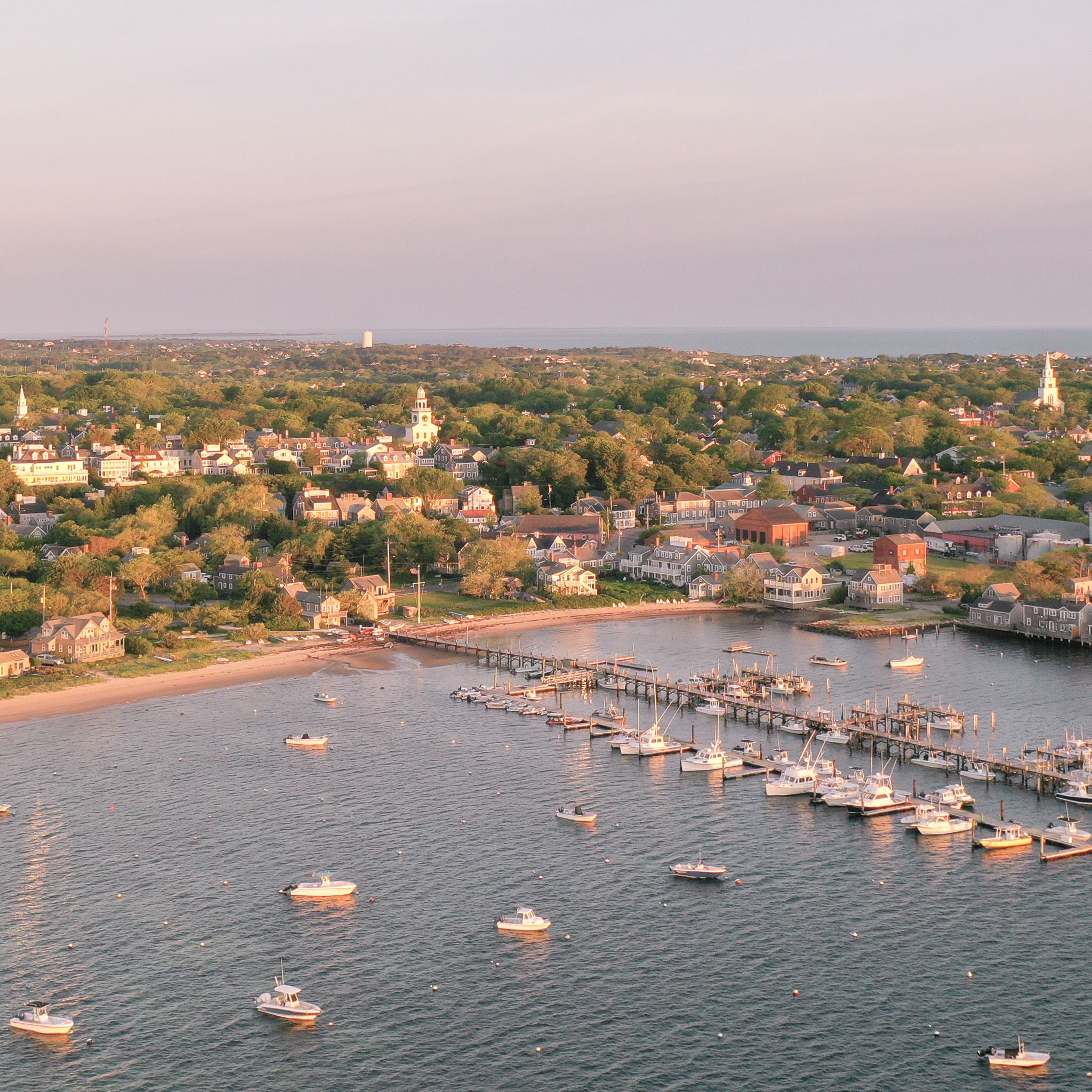
Nantucket Island, in its entirety, is a National Historic Landmark District. Under the proposed changes to Section 106, Nantucket could have less opportunity to weigh in on federally connected projects that may affect the island’s historic landscape. Public participation would no longer be guaranteed and could instead be left to the discretion of the federal agency.
For a town like ours, that celebrates and honors public discussion and community input as a basis of local government, this is a deeply concerning possibility. It could mean seeing changes to Nantucket’s historic landscape and character move forward with less opportunity for the community to weigh in, build consensus, and have a meaningful voice in decisions that could shape the island’s future.
Critically, the proposed changes to Section 106 also stipulate that a historic resource must be considered “compact” to trigger review. It could be construed that Nantucket, being an island-wide Landmark District, is not “compact,” which could end Section 106 review on Nantucket altogether.
On an island where preservation is so closely tied to our sense of place and history, losing that guaranteed opportunity for local voices to be heard could have a lasting impact on how Nantucket evolves.
How Nantucket Can Take Action on Section 106
The proposal to change Section 106 is still moving through the federal rulemaking process. Although the Advisory Council on Historic Preservation (ACHP) voted to move the proposal forward in July, it is currently under review by the Office of Information and Regulatory Affairs (OIRA). Once that review is complete, the proposal is expected to be published in the Federal Register and opened for formal public comment, likely for approximately 30 days.
In the meantime, we encourage our community to contact Representative Bill Keating and Senators Elizabeth Warren and Ed Markey (or your local representatives where you are registered to vote) to share concerns about the proposed changes to Section 106. When the formal public comment period opens, NPT will also encourage community members to submit comments directly to the ACHP.